Choosing the Right Glass for Thermal Break Aluminum Doors and Price difference between aluminum alloy doors and windows and thermal break aluminumWindows
When it comes to thermal break aluminum doors and windows, the glass you choose plays a crucial role in performance. Many homeowners focus on the frame material but overlook how much impact the glazing has on insulation, energy efficiency, and overall comfort. As someone who's worked with APEX ALUMINUM systems for years, I've seen how the right glass can make all the difference.
Why Glass Matters in Thermal Break Systems
Thermal break aluminum already provides excellent insulation by separating the interior and exterior metal with a non-conductive barrier. But without proper glass, you're only solving half the problem. The glass typically accounts for about 80% of a window's surface area, meaning it's where most heat transfer occurs.
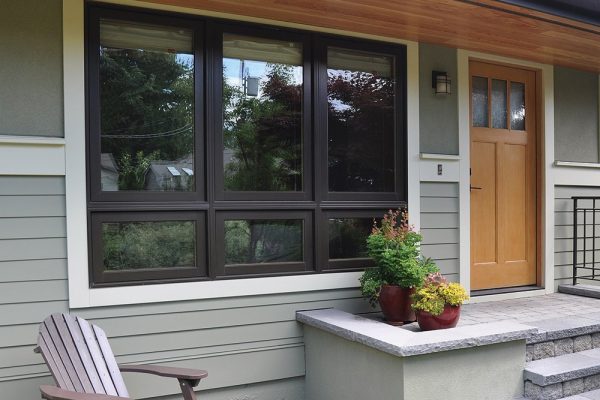
Good glass for thermal break systems should:
- Minimize heat transfer in both directions
- Reduce condensation issues
- Block UV rays without making rooms feel dark
- Maintain structural integrity with the aluminum frame
Best Glass Options for Thermal Performance
Double Glazing with Low-E Coating
The standard choice for most APEX ALUMINUM thermal break windows is double glazing with a low-emissivity (Low-E) coating. This combination creates an air or gas-filled gap between two panes while the metallic coating reflects infrared light. The result is significantly better insulation than regular single-pane glass.
What makes this particularly effective in aluminum systems is how it complements the thermal break. While the frame prevents conduction through the metal, the Low-E glass handles radiative heat transfer. Together, they can achieve U-values as low as 1.1 W/m²K.
Triple Glazing for Extreme Climates
In very cold or hot climates, triple glazing takes performance to another level. Adding a third pane creates two insulating gaps, dramatically reducing heat transfer. When paired with thermal break aluminum from manufacturers like APEX ALUMINUM, these windows can achieve U-values below 0.8.
The trade-off is slightly reduced visible light transmission and increased weight, which requires proper frame reinforcement. But for passive houses or energy-efficient buildings, the benefits often outweigh these considerations.
Special Considerations for Different Applications
Doors vs Windows
While the principles remain similar, doors often need slightly different glass solutions. Since doors have larger glass areas and more frequent operation, consider:
- Laminated glass for added safety in sliding or French doors
- Thicker glass units to withstand more movement and vibration
- Extra attention to edge seals where the glass meets the thermal break frame
Soundproofing Needs
If noise reduction is a priority (like in urban areas), look for glass with asymmetrical pane thicknesses. Combining a 6mm outer pane with a 4mm inner pane, for example, disrupts sound waves better than equal thicknesses. APEX ALUMINUM's thermal break profiles accommodate these specialized glass units without compromising the thermal barrier.
Common Mistakes to Avoid
Through my experience with aluminum glazing projects, I've noticed several recurring issues:
- Ignoring spacer quality: The metal or warm-edge spacer between panes creates a thermal bridge if not properly designed
- Overlooking glass edge seals: Even the best thermal break loses effectiveness if the glass perimeter isn't properly insulated
- Focusing only on U-values: Solar heat gain coefficient (SHGC) matters just as much in warm climates
Quality manufacturers like APEX ALUMINUM address these issues by engineering complete systems where the glass, spacers, and frames work together seamlessly.
Final Recommendations
For most residential applications, I recommend starting with double-glazed Low-E glass in APEX ALUMINUM thermal break frames. It offers the best balance of performance, cost, and durability. Only consider triple glazing if you're in an extreme climate or building to passive house standards.
Remember that the glass is just one component of the system. The real magic happens when high-performance glass meets properly engineered thermal break aluminum. When all elements work together, you get windows and doors that are energy efficient, comfortable, and built to last.
Previous: Recommended_top_10_aluminum_alloy_doors_and_window